
Understanding Heat Pump Systems in Crest Hill’s Climate
Heat pumps represent one of the most efficient heating and cooling solutions available for homes in Crest Hill, IL, and at Magtek Mechanical Heating & Cooling, we’ve installed and serviced hundreds of these versatile systems throughout the region. These innovative systems work by transferring heat rather than generating it through combustion, making them incredibly energy efficient even during our challenging Midwest winters. The technology operates on a simple principle of moving thermal energy from one location to another using refrigerant cycles, similar to how your refrigerator works but with the capability to reverse the process seasonally.
The efficiency of heat pumps is measured using two key metrics that homeowners should understand. During heating season, we measure performance using the Heating Seasonal Performance Factor (HSPF), while cooling efficiency uses the Seasonal Energy Efficiency Ratio (SEER). Modern heat pump systems can achieve HSPF ratings of 10 or higher and SEER ratings exceeding 20, translating to significant energy savings compared to traditional furnace and air conditioning combinations. In Crest Hill’s variable climate, where temperatures can range from below zero in winter to over 90 degrees in summer, this dual functionality proves invaluable for maintaining year-round comfort.
Types of Heat Pump Systems We Install
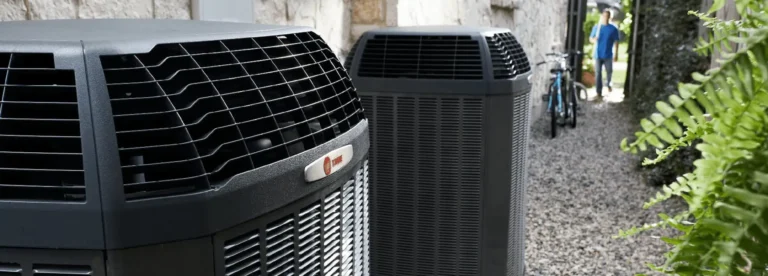
Air source heat pumps remain the most popular choice for Crest Hill residents, and we install various configurations depending on your home’s specific needs. Split systems feature an outdoor unit connected to an indoor air handler, providing excellent flexibility for retrofitting existing homes. These systems extract heat from outdoor air even when temperatures drop below freezing, though efficiency does decrease as temperatures fall. Recent technological advances have produced cold climate heat pumps that maintain impressive efficiency even at temperatures as low as negative 15 degrees Fahrenheit, making them increasingly viable for our Illinois winters.
Ground source heat pumps, also known as geothermal systems, offer the highest efficiency levels available in the HVAC industry. These systems utilize the earth’s consistent underground temperature, typically between 45 and 75 degrees Fahrenheit depending on depth and location, to provide heating and cooling with remarkable efficiency. Installation involves burying loops of piping either horizontally in trenches or vertically in wells, through which a fluid mixture circulates to exchange heat with the ground. While initial installation costs exceed those of air source systems, the long-term energy savings and system longevity often justify the investment, particularly for larger homes or properties with adequate land for loop field installation.
Installation Process and Technical Considerations
Proper heat pump installation requires careful assessment of multiple factors unique to each Crest Hill home. We begin with comprehensive load calculations using Manual J methodology, accounting for your home’s square footage, insulation levels, window specifications, and local climate data. This detailed analysis ensures we size your heat pump correctly, as an oversized system will cycle frequently, reducing efficiency and comfort, while an undersized system won’t adequately heat or cool your space during extreme weather conditions.
The installation process typically spans two to three days for air source systems, beginning with electrical service evaluation and potential upgrades. Heat pumps require dedicated electrical circuits, and older homes may need panel upgrades to accommodate the system’s power requirements. We position outdoor units strategically to minimize noise impact and ensure adequate airflow while protecting them from snow accumulation common in Illinois winters. Indoor components require careful integration with existing ductwork or, in ductless configurations, strategic placement of wall-mounted units to optimize air distribution patterns throughout living spaces.
Key Benefits for Crest Hill Homeowners
- Energy cost reduction averaging 30 to 50 percent compared to conventional heating systems
- Improved indoor air quality through advanced filtration and consistent humidity control
- Reduced carbon footprint supporting environmental sustainability goals
- Quiet operation compared to traditional furnaces and window air conditioning units
- Enhanced home value through modern, efficient HVAC technology
Heat pumps excel at maintaining consistent temperatures throughout your home, eliminating the hot and cold spots often experienced with traditional forced-air systems. The variable-speed compressors in modern units adjust output continuously, matching your home’s heating or cooling demands precisely rather than operating in simple on-off cycles. This modulation not only improves comfort but also reduces energy consumption significantly.
Maintenance Requirements and Long-Term Performance
Regular maintenance ensures your heat pump operates at peak efficiency throughout its expected 15 to 20 year lifespan. At Magtek Mechanical Heating & Cooling, having served home and business owners across New Lenox, IL and surrounding areas for 16 years, we’ve developed comprehensive maintenance protocols specific to our regional climate challenges. Seasonal maintenance includes cleaning or replacing filters monthly during heavy use periods, clearing debris from outdoor units, and ensuring proper refrigerant levels. Professional maintenance should occur twice annually, ideally before heating and cooling seasons begin.
Our technicians perform detailed inspections including electrical connection verification, lubrication of moving parts, thermostat calibration, and condensate drain cleaning. We also check refrigerant pressures and temperatures across the system to identify potential issues before they develop into costly repairs. Defrost cycle operation receives particular attention given Crest Hill’s winter conditions, as proper defrost function prevents ice buildup that can damage components and reduce efficiency.
Making the Right Choice for Your Home
Selecting between heat pump options requires considering multiple factors beyond initial cost. Your home’s existing infrastructure plays a crucial role in determining feasibility and installation complexity. Homes with existing ductwork typically adapt well to central heat pump systems, while those without may benefit from ductless mini-split configurations that avoid extensive renovation costs. Property characteristics, including lot size and soil conditions, influence geothermal system viability.
Financial considerations extend beyond purchase price to include available incentives and long-term operating costs. Federal tax credits currently offer significant rebates for qualifying heat pump installations, while utility companies often provide additional rebates for energy-efficient upgrades. We help customers navigate these programs and calculate total cost of ownership projections based on local utility rates and expected usage patterns. The decision ultimately balances upfront investment against long-term savings, comfort improvements, and environmental impact considerations that align with your priorities and budget constraints. Contact us today.