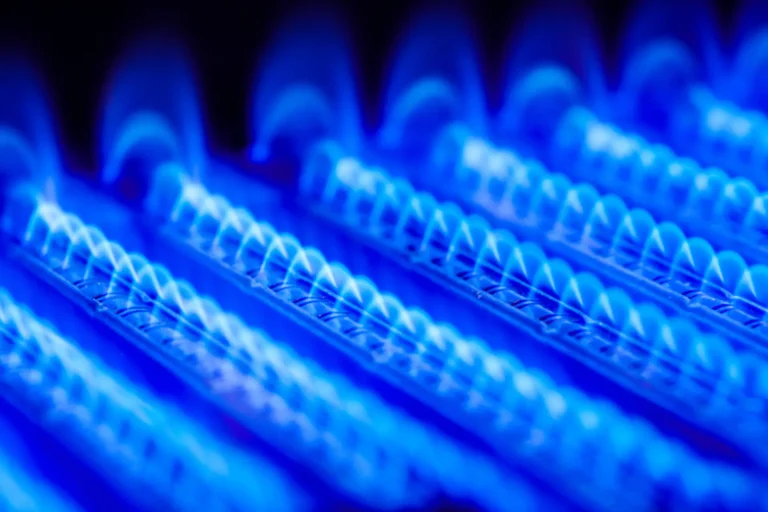
Picture a January morning when the temperature outside sits below zero and the old furnace in the basement finally quits. The blower still spins, but no warm air reaches the vents. This is the moment when a reliable furnace installation matters most, and it is a situation that Magtek Mechanical Heating & Cooling has handled countless times. Magtek Mechanical Heating & Cooling has been serving home and business owners across New Lenox, IL and surrounding areas for 16 years, and that experience shapes how each furnace project gets planned, sized, and finished.
Sizing and Selecting the Right Furnace
A furnace that is too large short-cycles, wearing out components and leaving uneven temperatures throughout the house. A furnace that is too small runs constantly and still cannot keep up during the coldest nights. Correct sizing starts with a heat-load calculation. We measure square footage, ceiling heights, window count and quality, insulation levels, and how air moves through the structure. These numbers give us the required output measured in British Thermal Units per hour, or BTUh.
After the load is known, we match the equipment to it. Modern gas furnaces are rated by Annual Fuel Utilization Efficiency, or AFUE. A unit rated at 96 percent AFUE turns nearly all of its fuel into usable heat, while older units often fall below 80 percent. We also weigh blower type when helping you choose:
- Single-stage furnaces: run at full capacity every cycle and suit smaller or well-insulated spaces.
- Two-stage furnaces: switch between low and high fire for steadier temperatures and quieter operation.
- Modulating furnaces: adjust output in small increments, holding temperature within a narrow range and using fuel efficiently.
The Furnace Installation Process Step by Step
Every furnace installation follows a careful sequence. We do not simply pull the old unit and drop in a new one. The venting, gas line, electrical connection, and ductwork all must match the new equipment. High-efficiency furnaces, for example, produce cooler exhaust and often require PVC venting through a sidewall rather than the old metal flue. Skipping this detail causes condensation problems and poor performance.
A typical project with Magtek Mechanical Heating & Cooling includes the following stages:
- Site assessment: confirm load calculations, inspect existing ductwork, and check gas and electrical supply.
- Removal: safely disconnect and haul away the old furnace, capping lines as needed.
- Set and connect: position the new unit, connect venting, gas, condensate drainage, and electrical.
- Ductwork adjustment: modify plenums and transitions so airflow matches the blower rating.
- Startup and testing: verify gas pressure, check temperature rise across the heat exchanger, and confirm safe combustion.
The temperature rise reading is one detail many people never see. Each furnace lists an acceptable range, often between 40 and 70 degrees Fahrenheit. If the rise falls outside that band, airflow or fuel input needs adjustment. We measure and correct this before we consider the job complete.
Applications Across Homes and Businesses
Furnace needs differ from one building to the next. A single-family home in New Lenox usually runs one furnace tied to a central duct system. A larger two-story house may benefit from zoning, where dampers direct heat to occupied areas and reduce waste in unused rooms. Older homes sometimes need duct upgrades because the original system was designed for a smaller, less powerful furnace.
Light commercial spaces bring their own demands. Retail floors, offices, and workshops often use rooftop units or multiple furnaces to cover open areas. Heat load in these buildings changes with occupancy, equipment, and door traffic. We account for those factors so the space stays comfortable during business hours without driving up fuel costs. Whether the project is a modest ranch home or a busy storefront, the same principles of correct sizing, safe venting, and verified airflow apply.
Safety, Efficiency, and Long-Term Value
A furnace burns fuel inside your building, so safety is never optional. We test for carbon monoxide, confirm proper draft, and check the heat exchanger for cracks or defects. A correctly installed condensate drain keeps moisture from pooling and protects surrounding materials. These checks protect the people inside long after the crew leaves.
Efficiency and value grow from precise work. A furnace matched to the load and connected to properly sized ductwork uses less fuel, runs quieter, and lasts longer. Magtek Mechanical Heating & Cooling treats every furnace installation as a long-term investment in comfort and reliability. When you plan a replacement or a first-time installation, our goal is a system that performs correctly on the coldest day and keeps performing for years to come.