AC Installation Bourbonnais, IL
When summer temperatures soar across Bourbonnais and the surrounding Illinois communities, having a reliable air conditioning system becomes essential for maintaining comfort in your home or business. At Magtek Mechanical Heating & Cooling, we specialize in professional AC installation services that ensure optimal cooling performance, energy efficiency, and long-term reliability. Our experienced technicians understand the unique climate challenges that Bourbonnais residents face, from humid summer days reaching into the 90s to the variable spring and fall weather patterns that demand flexible cooling solutions.
The process of selecting and installing a new air conditioning system involves numerous technical considerations that directly impact your comfort and energy costs for years to come. Our team evaluates factors including your property’s square footage, insulation quality, window placement, sun exposure, and existing ductwork configuration to recommend the most appropriate cooling solution. We work with leading manufacturers to provide systems ranging from traditional central air units to high-efficiency variable-speed models that can reduce energy consumption by up to 40% compared to older systems.
Understanding AC System Types and Technologies
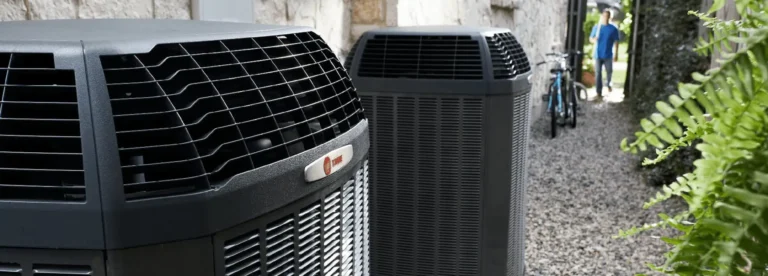
Modern air conditioning systems come in various configurations, each offering distinct advantages depending on your specific needs and property characteristics. Central air conditioning systems remain the most popular choice for whole-home cooling in Bourbonnais, utilizing a network of ducts to distribute cooled air throughout your property. These systems typically consist of an outdoor condensing unit containing the compressor and condenser coil, paired with an indoor evaporator coil installed near your furnace. The refrigerant cycles between these components, absorbing heat from inside your home and releasing it outdoors.
Ductless mini-split systems provide an excellent alternative for homes without existing ductwork or for room additions where extending ducts would be impractical or expensive. These systems feature individual air handlers mounted in specific rooms or zones, connected to an outdoor unit through small refrigerant lines. This configuration allows for precise temperature control in different areas of your home, potentially reducing energy waste by cooling only occupied spaces. Heat pump systems offer another innovative option, providing both heating and cooling capabilities through a single system that reverses the refrigeration cycle seasonally.
The Installation Process and Technical Requirements
Professional AC installation begins with a comprehensive load calculation to determine the appropriate system size for your property. Oversized units cycle on and off frequently, failing to properly dehumidify the air and creating uncomfortable temperature fluctuations. Undersized systems run continuously without adequately cooling your space, leading to premature wear and excessive energy consumption. We use industry-standard Manual J calculations that consider factors including ceiling height, insulation R-values, air infiltration rates, and internal heat gains from appliances and occupants.
The physical installation process requires precise technical execution to ensure optimal performance and longevity. Our technicians carefully position the outdoor condensing unit on a level concrete pad or mounting brackets, maintaining proper clearances for airflow and service access. Refrigerant lines must be properly sized, insulated, and routed to minimize pressure drops and heat gain. We brazed all connections using nitrogen purging to prevent oxidation inside the copper lines, then perform thorough leak testing and evacuation procedures before charging the system with the manufacturer-specified amount of refrigerant. Electrical connections include installing appropriate circuit breakers, disconnect switches, and control wiring that meets National Electrical Code requirements.
Energy Efficiency Considerations and Cost Savings
Investing in a high-efficiency air conditioning system can significantly reduce your monthly utility bills while improving indoor comfort. The Seasonal Energy Efficiency Ratio (SEER) rating indicates how efficiently a system operates over an entire cooling season. While federal regulations currently require a minimum 14 SEER rating for new installations in our region, we often recommend systems with 16 SEER ratings or higher for maximum energy savings. Variable-speed compressors and fan motors further enhance efficiency by adjusting output to match cooling demands rather than operating at full capacity continuously.
Beyond equipment selection, proper installation practices dramatically impact system efficiency and operating costs. We ensure all ductwork connections are sealed to prevent cooled air loss, which can waste up to 30% of your system’s output. Adding insulation to ducts running through unconditioned spaces like attics or crawlspaces further reduces energy waste. Smart thermostats provide additional savings opportunities through programmable schedules, remote access capabilities, and learning algorithms that optimize operation based on your usage patterns and preferences.
Maintenance Requirements and Long-term Performance
Following installation, regular maintenance ensures your new AC system continues operating efficiently throughout its expected 15 to 20-year lifespan. We recommend scheduling professional maintenance annually before the cooling season begins. During these service visits, technicians clean condenser and evaporator coils, check refrigerant levels, test electrical components, lubricate moving parts, and verify proper airflow through the system. Between professional services, homeowners should replace or clean air filters monthly during peak cooling season to maintain proper airflow and indoor air quality.
- Filter maintenance: Check and replace filters every 30-90 days depending on usage and household conditions
- Outdoor unit care: Keep vegetation trimmed back at least two feet from the condensing unit and remove debris from the cabinet
- Thermostat optimization: Program temperature setbacks when away from home to reduce runtime without sacrificing comfort
Local Climate Factors and Installation Timing
Bourbonnais experiences a continental climate with hot, humid summers that place significant demands on air conditioning systems. Average July temperatures reach 85°F with humidity levels often exceeding 70%, creating conditions where proper sizing and humidity control become critical for comfort. Spring and fall seasons offer ideal installation windows when our schedule flexibility allows for thorough system design and installation without the urgency of peak summer demand. Planning your AC installation during these moderate weather periods often results in better pricing and equipment availability.
Magtek Mechanical Heating & Cooling Heating & Cooling has been serving home and business owners across New Lenox, IL and surrounding areas for 53 years, giving us extensive experience with regional weather patterns and their impact on cooling system performance. We understand how local factors like agricultural humidity, urban heat island effects, and severe weather events influence equipment selection and installation practices. Our familiarity with local building codes, permit requirements, and utility rebate programs streamlines the installation process while ensuring full compliance with all regulations.
Whether you need to replace an aging air conditioner, upgrade to a more efficient system, or install cooling in a new construction project, proper planning and professional installation create the foundation for years of reliable comfort. Our comprehensive approach addresses every aspect from initial assessment through final commissioning, ensuring your new AC system delivers optimal performance, efficiency, and value throughout its operational life. Contact us today.